Exploring the Heritage of Speightstown
Far removed from the high-octane frenzy of the South Coast, Speightstown anchors the northern reaches of Barbados with a quiet grace. Known historically as “Little Bristol,” this settlement strikes an elusive balance—dense enough in its colonial footprint to satisfy the academic eye, yet remarkably relaxed. The scent of salt spray and fried flying fish hangs heavy in the air, a sensory echo of 17th-century maritime dominance now tempered by a slow, deliberate modern rhythm.
Walking these streets means confronting the island’s foundational history head-on. Weathered coral stone warehouses stand against bright tropical facades in a quiet assertion of endurance, offering a pure escape from the manicured resort perimeter across a strictly walkable, compact grid.
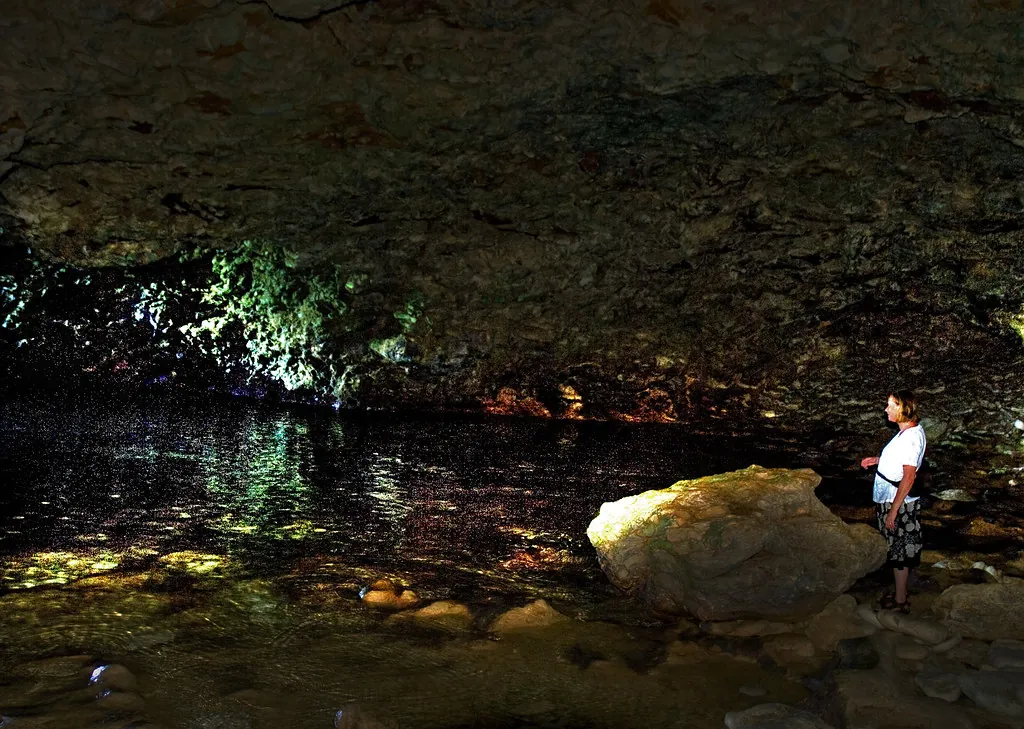
Such geography makes the town a natural basecamp for northern exploration, easily folding into a broader itinerary that includes the Animal Flower Cave or a drive along the shattered limestone cliffs of St. Lucy. Understanding the Barbadian soul requires deciphering the legacy of this specific port. Visitors stationed in the southern parishes often secure a Barbados Full-day Coast to Coast Tour; the route bypasses the friction of a rental car and directly bridges Speightstown’s quiet streets with the raw Atlantic coastline.
Arlington House Museum
The physical evidence of that merchant wealth survives inside Arlington House Museum. This restored 18th-century “single house” structures its narrative across three distinct floors—Speightstown Memories, Plantation Memories, and Wharf Memories. Visitors trace the port’s evolution from a dominant sugar terminus to a contemporary coastal community; the exhibits clarify exactly how the “Little Bristol” moniker took root. The architecture commands attention as a pure relic, defined by the narrow, vertical lines demanded by urban constraints in the 1700s.
Institutional protection of these sites falls to the Barbados National Trust. A comprehensive understanding of this parish often requires a structured narrative, which a Bestselling Barbados Highlights Tour readily supplies, utilizing Arlington House to frame the island’s broader colonial expansion.

Historical Foundations: William Speight and 1639
The chronological bedrock of this coastal stretch formed in 1639. William Speight, a landowner wielding considerable political gravity, secured a seat in Barbados’ first House of Assembly and gave the settlement its name. His district operated with remarkable sovereignty, largely sidestepping Bridgetown by controlling its own transatlantic trade routes. The Official Visit Barbados Portal details how direct mercantile lines to Bristol, England, forged an independence that defined the community for centuries.
That fierce autonomy met its ultimate test during the English Civil War. When Barbados declared loyalty to the Crown in 1652, Cromwell’s naval forces blockaded the port, an aggression that forced the “Treaty of Oistins” (the Charter of Barbados). Fort Orange stood at the center of this resistance. The 18th-century cannons still rest at the fort’s original site today, their iron barrels pointed toward the Atlantic—artifacts of a time when local militia repelled both Dutch privateers and Parliamentarian warships.

The Port & The Warehouses
Military defense protected a massive economic engine, one built directly out of coral stone. Heavy, thick-walled warehouses designed to insulate sugar and molasses from the tropical heat now house modern restaurants and galleries. The commercial utility has shifted, yet the historic facades remain intact. Walking the length of the jetty reveals a shoreline profile nearly identical to the days when the “Schooner trade” linked the Windward and Leeward Islands.
Such structural preservation mirrors the colonial density found within the UNESCO World Heritage capital of Bridgetown. The spiritual counterpart to this merchant wealth stands nearby at St. Peter’s Parish Church. Reconstructed in 1837 after the devastation of the Great Hurricane, its heavy square bell tower anchors the skyline, demanding observation from anyone tracing the settlement’s architectural lineage.
As the definitive final port of call for the inter-island schooner trade, the town held an iron grip on maritime commerce well into the mid-20th century, securing its position as the undisputed economic engine of northern Barbados.
The Artistic Soul of the North
The modern iteration of that commercial heart trades in canvas and pigment. The Speightstown Mural commands the streetscape—an 80-foot trompe l’oeil execution by John Urquhart. Finished in 2003, the piece breaks the town’s chronological history into painted “windows,” functioning as a visual compass for new arrivals. Inside the Northern Business Centre, the Gallery of Caribbean Art operates with singular focus; it stands alone in the southern Caribbean by exclusively displaying painters and sculptors from the surrounding region.
Culinary traditions run parallel to this visual history. Fisherman’s Pub has fed the parish since 1936, acting as a critical cultural bridge for those seeking authentic Bajan Buffet preparations like Pickled Breadfruit and Cou-cou. The dining room strips away the polished veneer of the southern parishes, presenting a grounded iteration of local culture and traditions. Coastal preservation projects continue to shape this district; the Barbados Government Information Service outlines recent Esplanade upgrades designed to protect the immediate shoreline from erosion.
Planning Your Visit
Moving from the coastal esplanade toward broader northern attractions like Little Bay or River Bay requires minimal logistical friction. Many bypass the strict timetables of public transit by securing a Private Customized Island Tour; this approach opens up the afternoon for an unhurried lunch before moving onto the museum floors.
| Logistics | Details |
|---|---|
| Best Time to Visit | Tuesday–Friday mornings promise empty streets and guarantee access to the cave (doors remain closed on Mondays). |
| Transport | Board the direct 1C Blue Bus (Transport Board) from Speightstown Terminal straight to Connelltown (near Animal Flower Cave). |
| Museum Hours | Arlington House: 9:00 AM – 5:00 PM (Mon-Fri), 9:00 AM – 3:00 PM (Sat). |
| Walking Time | The primary historic core requires roughly 45 minutes on foot. |
- Who is this for? Architectural historians, documentary photographers, and practitioners of “slow travel.”
- Pro Tip: Follow the beach path south of the jetty at low tide. Sea-glass washes up frequently along this stretch, and local fishermen still scrape and paint their traditional wooden hulls right on the sand.
- Combining Trips: The town functions as the ultimate staging ground for lunch before pushing further north to examine the conservation efforts at North Point.
- Public Transport: The 1C Bus (Blue Transport Board) forms the main artery between the Speightstown Terminal and the northern cliffs. Departures occur every 30 to 45 minutes; the $3.50 BBD fare requires the cashless smart card system.
The reality of traveling with younger groups often demands a shift in pacing. The Half-Day Barbados Caves and Critters Tour solves this by linking the northern colonial history with active exploration at the wildlife reserve and Harrison’s Cave, burning off excess energy while keeping the focus squarely on the island’s ecological framework.

Barbados Full-day Coast to Coast Tour
⭐ Barbados Experience
🔥 High demand: 11 people viewed today

A Good Bajan Day – Bestselling Barbados Highlights Tour
⭐ A Experience
🔥 Exceptional 4.9/5 rating

Half-Day Barbados Caves and Critters Tour with Pick Up
⭐ Half-Day Experience
🔥 Booked 11 times today

Private Customized Island Tour of Barbados
⭐ Private Experience
🔥 Booked 3 times today

Barbados Island Tour with Lunch and Wildlife Sanctuary
⭐ Barbados Experience
🔥 Likely to sell out soon!

St. Nicholas Abbey in Barbados Small Group
⭐ St. Experience
🔥 Top Choice in Barbados